

If you've spent any time around auto transport yards, auction lots, or fleet staging areas, you might have heard the term "big uglies." It's not a polite description, but in this arena, it's an honest one: it’s the one shorthand operators use for the oversized, non-standard, awkward-to-load vehicles that don't cooperate with a conventional hauling setup.
Understanding what they are, why they cause problems, and what it actually takes to handle them is the difference between an operator who turns them away and one who takes the job confidently.
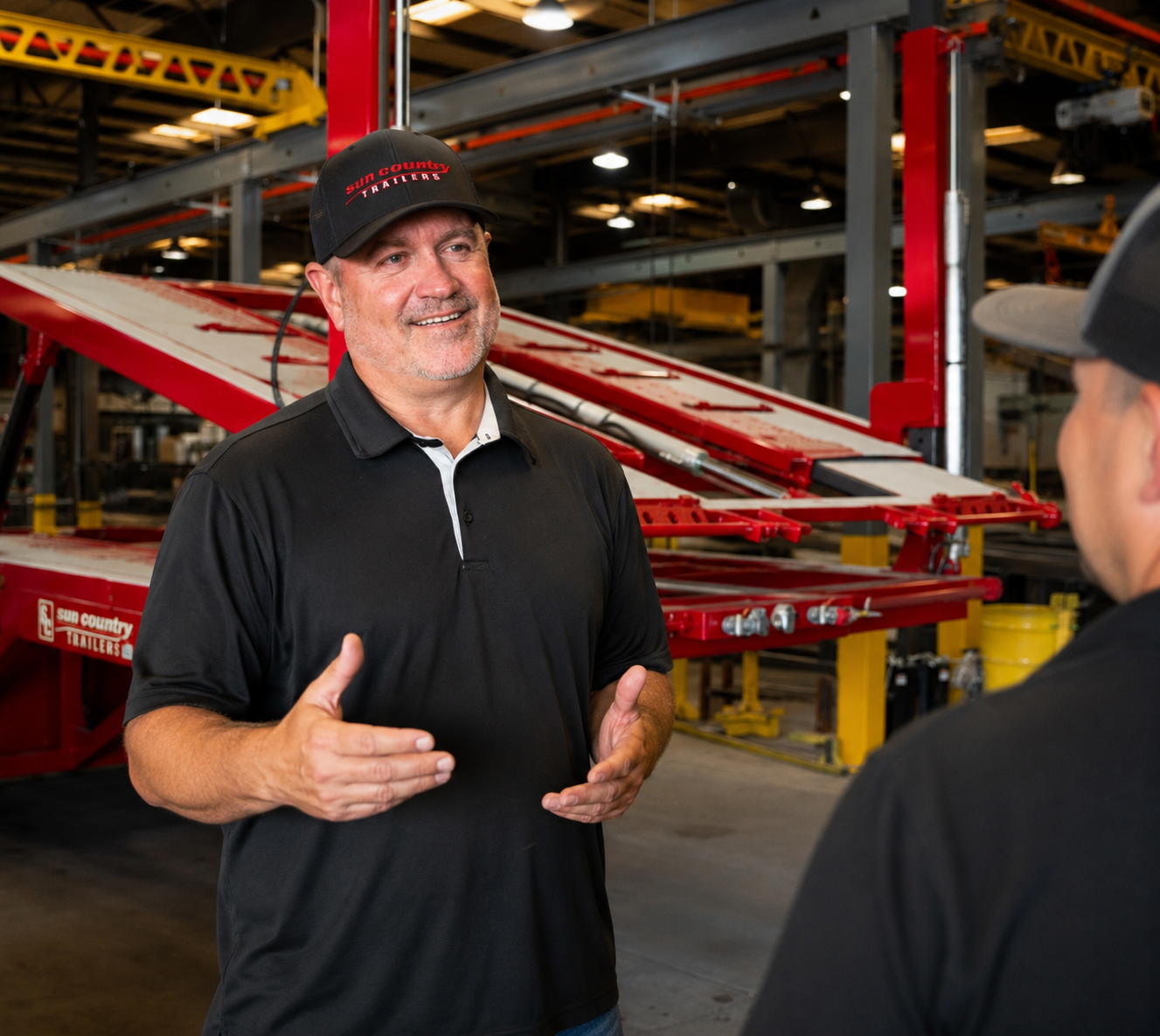
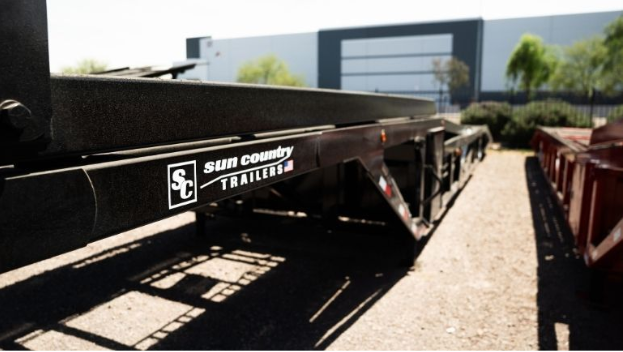
At Sun Country Trailers, we’re familiar with the challenge big uglies pose to car haulers, which is why we’ve made a study of how to efficiently and capably haul them. Nearly every one of our car haulers is customized to some degree, but our trailers are especially popular for haulers who work with big uglies because of how tough we build our rigs and because we know what they require.
So What Exactly Is a Big Ugly?
The term big ugly doesn't refer to any one type of vehicle. It's a catchall for anything that falls outside the comfortable middle of the hauling bell curve: vehicles that are too tall, too long, too heavy, too wide, too low, or some combination of the above. In practice, "big uglies" typically include:
- Lifted pickup trucks and 4x4s: A heavily lifted truck — for example, one with a suspension lift, oversized tires, and ground clearance that puts the rocker panels at shoulder height — creates real problems for standard upper deck configurations. The height that makes them impressive on the trail makes them a genuine engineering challenge on a trailer.
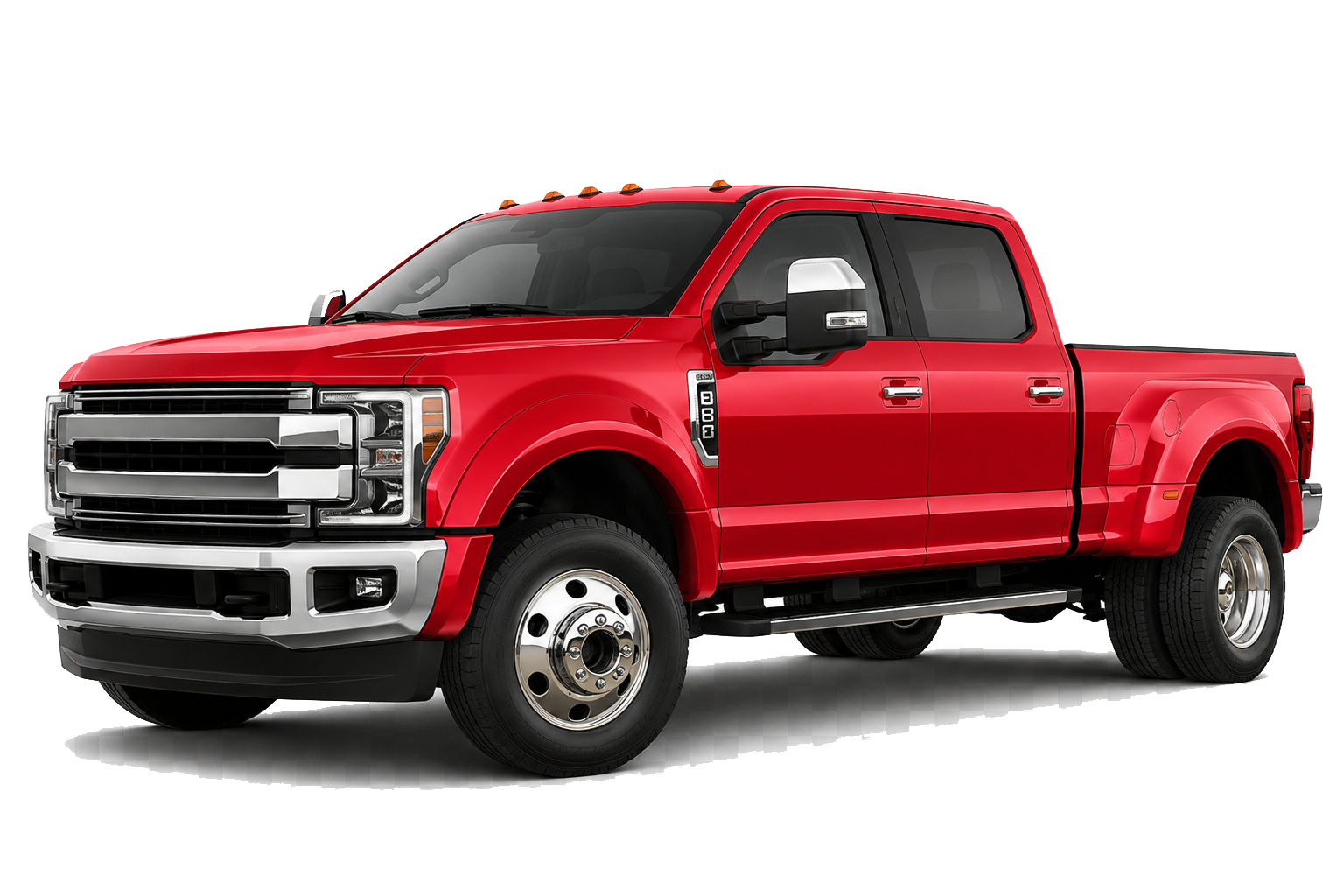
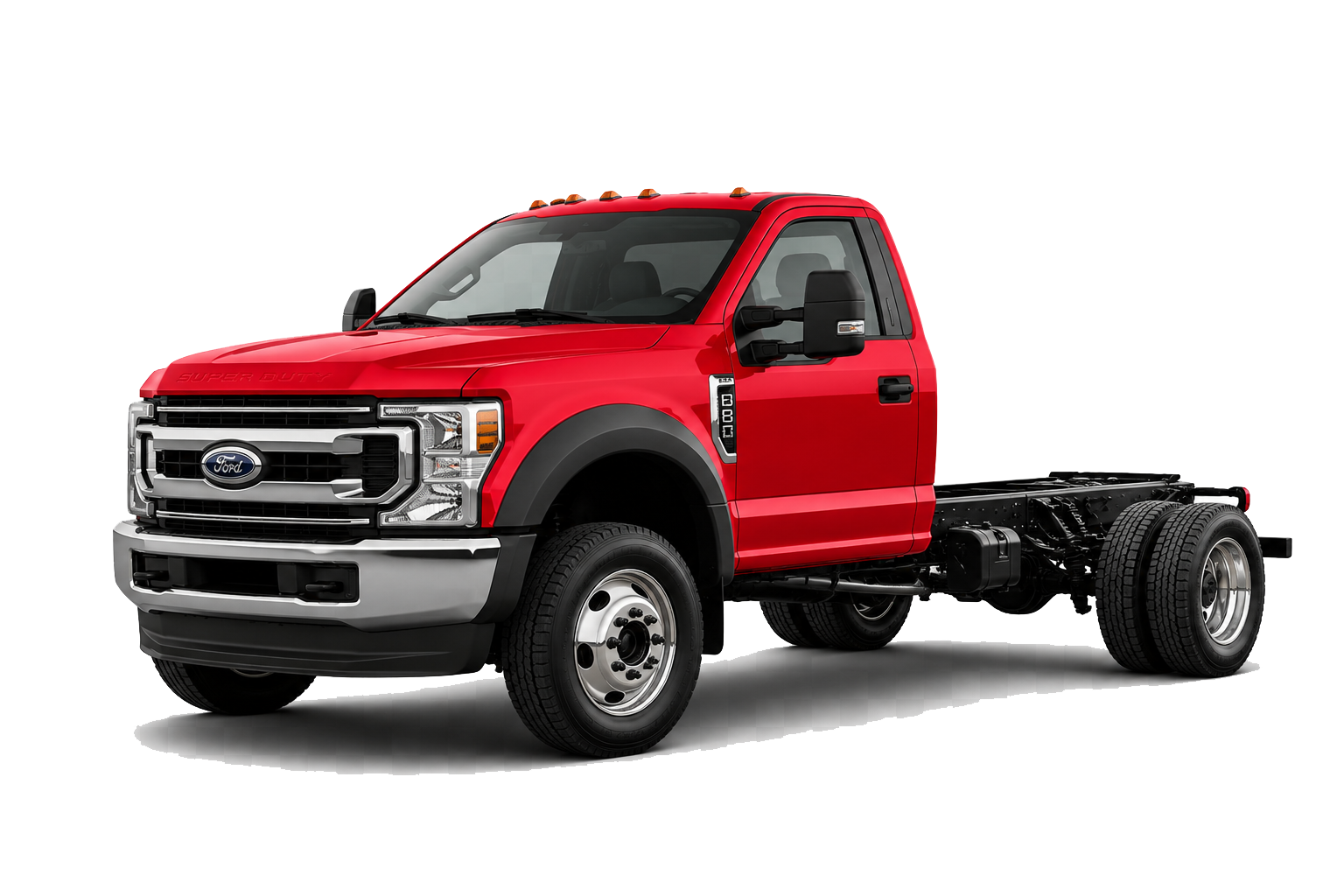
- Full-size and heavy-duty work trucks: Long-bed crew cabs, dually configurations, and heavy-duty trucks built for towing and hauling push the limits of standard slot lengths and width tolerances. On a multi-car trailer, fitting one of these into a slot can mean nothing else fits around it cleanly.
- Large SUVs, vans, and crossovers: The American vehicle fleet overall has grown substantially in both height and width over the past two decades. Today's three-row SUVs, full-size vans, and commercial utility vehicles are considerably larger than the vehicles that defined the hauling industry's standard configurations in past years, and they occupy a substantial portion of the vehicle market. What fit cleanly on a hauler in 2005 may be a tight squeeze today, and the largest current models may not fit at all without thoughtful configuration.
- Specialty and modified vehicles: Lowered and slammed vehicles — exotics, customs, and show cars built for ground-scraping clearances — sit at the opposite extreme. Standard ramp angles that work perfectly for a sedan become a liability when the vehicle's front fascia is four inches off the ground.
- Non-running or damaged vehicles: "Big ugly" sometimes has less to do with size than with condition. A vehicle that can't be driven onto the trailer under its own power requires positioning equipment, different tie-down approaches, and extra maneuvering that a standard setup wasn't designed to accommodate easily.
Why Most Trailers Struggle With Big Uglies
Most commercial car haulers can’t handle big uglies very well; they are optimized for a predictable, average load. That's not a criticism; it's rational engineering. If 80% of loads are average passenger vehicles, trailer companies will build mostly for that range and most rigs will be built to help vehicles within that range.
But that means leaving money on the table when the need to haul large vehicles shows up. And the reality is, big uglies are now more common. That imposes several special considerations in trailer design.
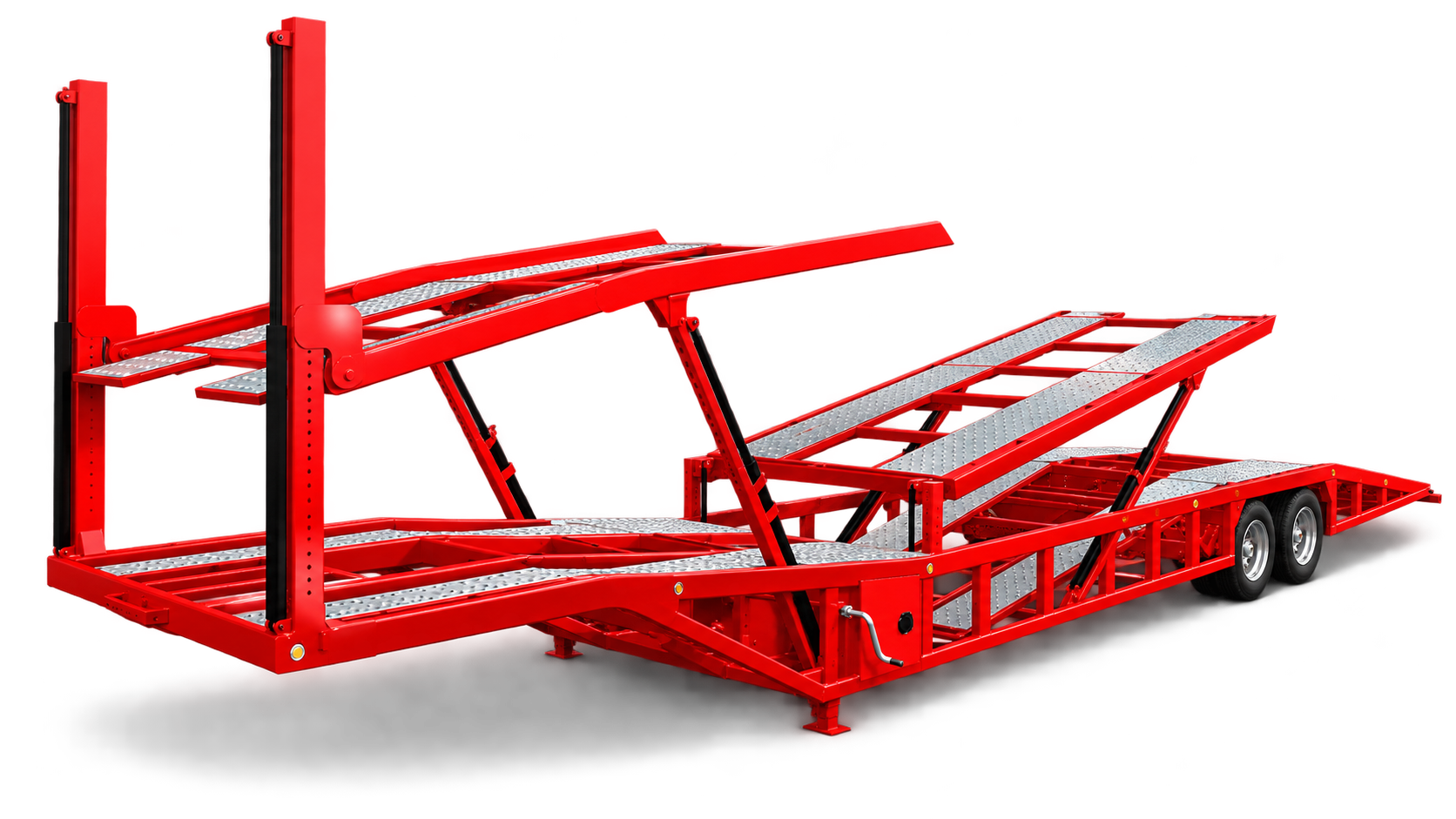
For one, ramp angles matter in both directions. This is where big ugly hauling gets genuinely complex. Operators hauling large, heavy vehicles — trucks, SUVs, vans — need trailers engineered with the structural strength to handle that weight on the ramps and decks. Sun Country is built specifically for that end of the spectrum, with heavier steel construction that can handle the punishment of loading heavy vehicles repeatedly over years of hard use. That design focus means, for specialized trailers, ramp angles can be optimized for large, tall vehicles rather than low-clearance exotics, which is the tradeoff required for operators whose livelihood comes from moving America's heaviest personal and commercial vehicles.
Another issue is that tie-down placement becomes critical. Many operators working for dealerships and fleet customers face a firm rule: no chain tie-downs. Chains risk frame contact and damage on vehicles with sensitive undercarriages, newer unibody construction, or factory-finish concerns. The ability to use soft strap tie-downs — placed directly over the tires rather than attached to the frame — isn't a luxury feature for big ugly trailers. It's often the only acceptable method.
In addition, slot length runs out. A trailer configured to maximize car count on average-length vehicles may simply not have a slot long enough for a long-bed crew cab or an extended-length vehicle without creating an overhang that becomes a safety and legal issue.
What It Takes to Handle Big Uglies Well
Operators who consistently handle big ugly vehicles successfully aren't doing it through improvisation. They're doing it through equipment that was designed — or modified — to address exactly these challenges.
A few specifics matter more than any others:
- Heavy-gauge steel construction built to handle heavy loads: Sun Country's big ugly trailers are constructed with heavy-gauge steel and commercial-grade fabrication that gives each unit the structural integrity to handle the repeated stress of loading and hauling large, heavy vehicles. This is the kind of build quality that reveals itself over years of hard use.
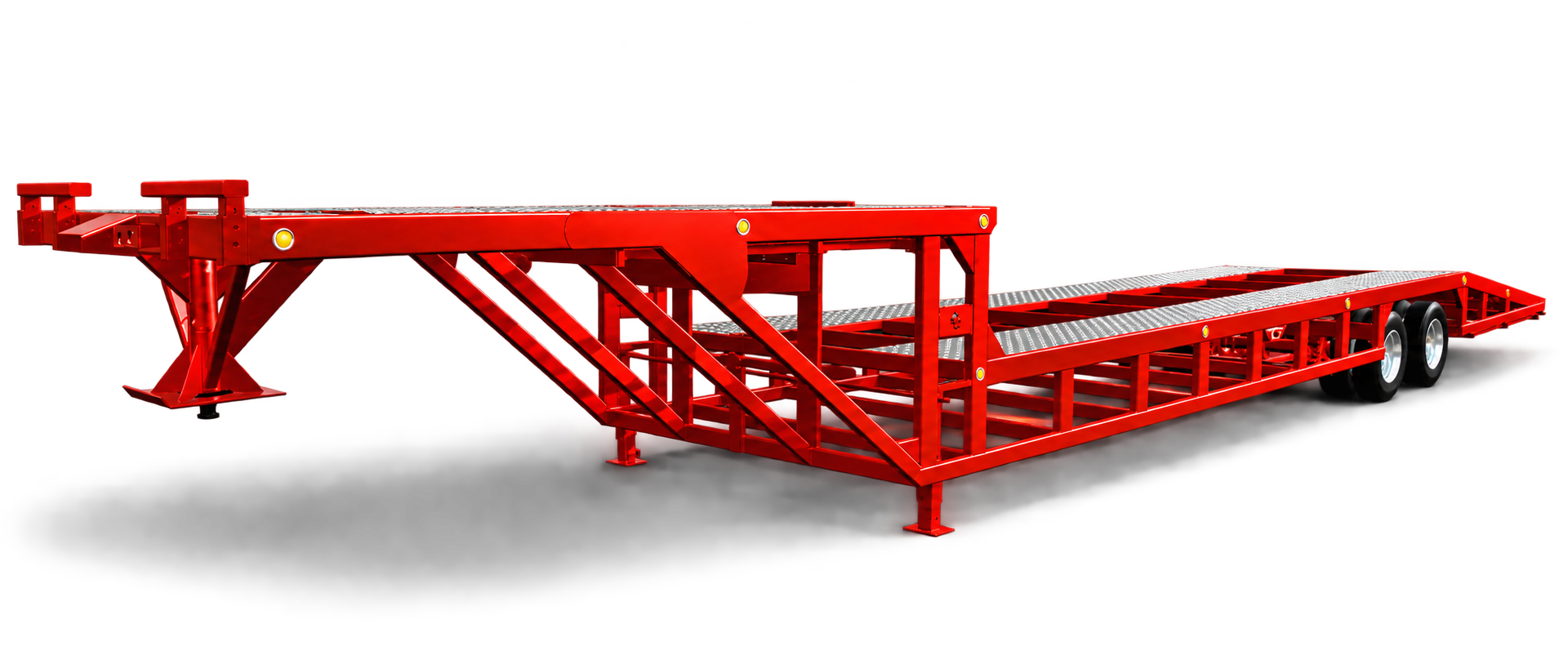
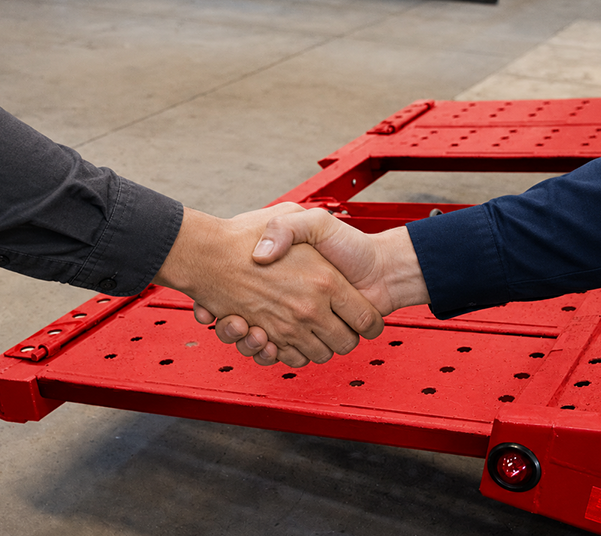
- 1" punched floors for soft strap tie-downs: Sun Country Trailers for big uglies are built with 1" punched floors, which allow operators to use soft straps tied directly over the tires rather than chaining to the vehicle's frame. For dealership customers and fleet operators who prohibit chain tie-downs on their vehicles, this feature makes the job possible where other trailers may fall short.
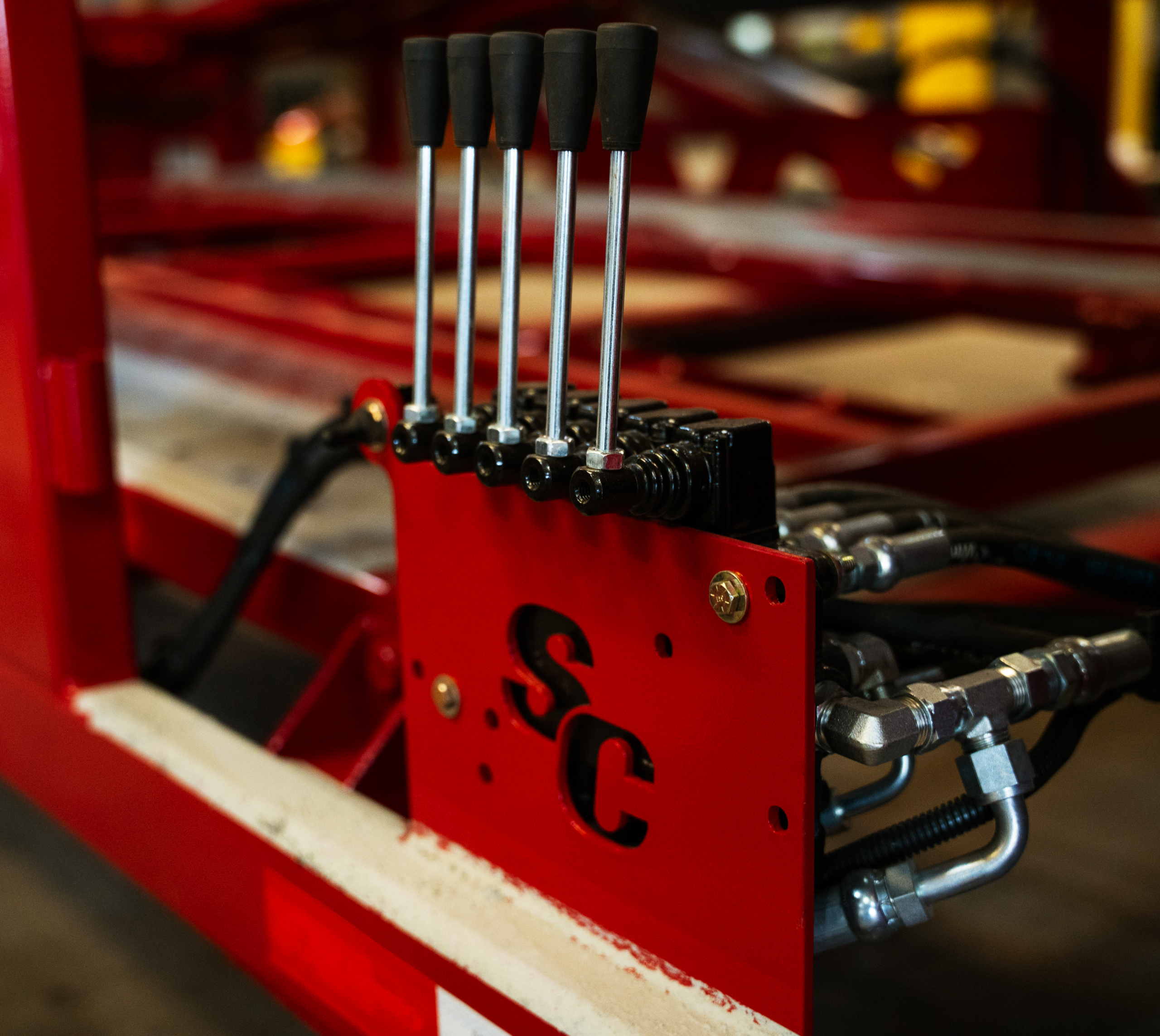
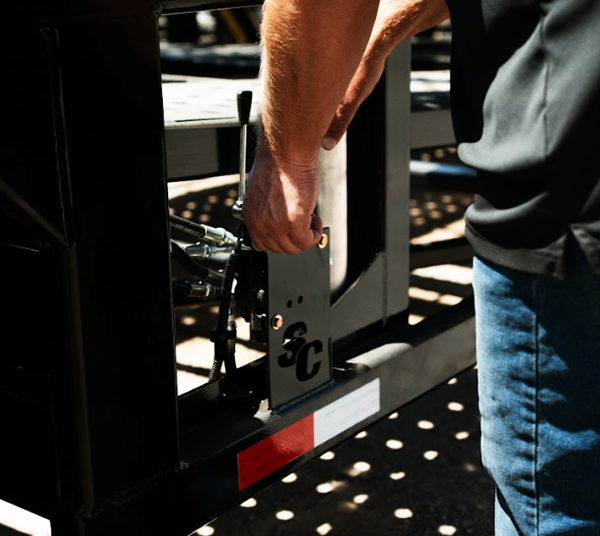
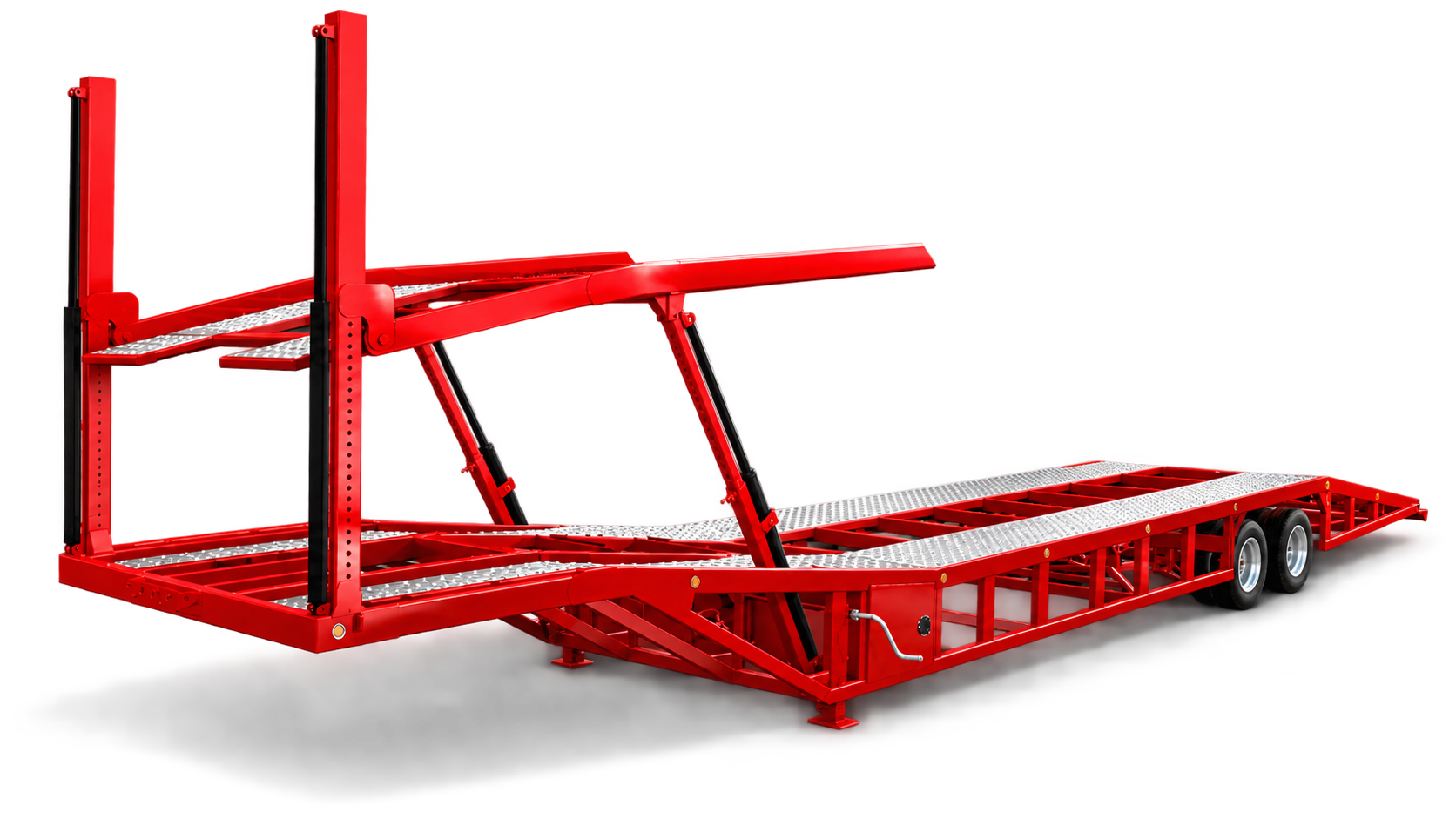
- Engineering matched to the load: Sun Country specializes in trailers built to haul large, heavy vehicles such as trucks, vans, and SUVs. These loads put real stress on ramps, decks, and hydraulic systems. That specialization is built into each design decision, from the hydraulic configurations to the frame specification to the deck layout. Operators whose business is dominated by big, heavy vehicles aren't asking Sun Country to stretch outside its comfort zone.
- The trailer track package: For operators who need to haul other trailers on top of their unit (another non-standard application that comes up regularly in fleet and auction environments) Sun Country offers a trailer track package with four ball towers available on several models.
The Operator's Advantage with Sun Country
There's a reason experienced operators seek out trailers engineered to handle the full range of what shows up at the yard, not just the easy or standard loads. Big ugly vehicles are, almost by definition, the loads that someone else has already turned down. That means the operator who can handle them confidently has less competition for the job and, often, a customer who will remember who solved their problem.
That kind of reputation builds a business. It also demands equipment that's up to the task.
Sun Country Trailers has been building commercial-grade, American-made car haulers since 1986. We build trailers engineered specifically for operators who haul large, heavy vehicles for a living — the trucks, SUVs, and vans that stress-test lesser equipment and expose the difference between a trailer that was built right and one that merely looks the part.
If you're ready to talk through which Sun Country configuration is right for your hauling mix — including the loads most operators won't touch, contact us today. We’ll answer your questions and show you why Sun Country Trailers has earned its stellar reputation for hauling big uglies.